


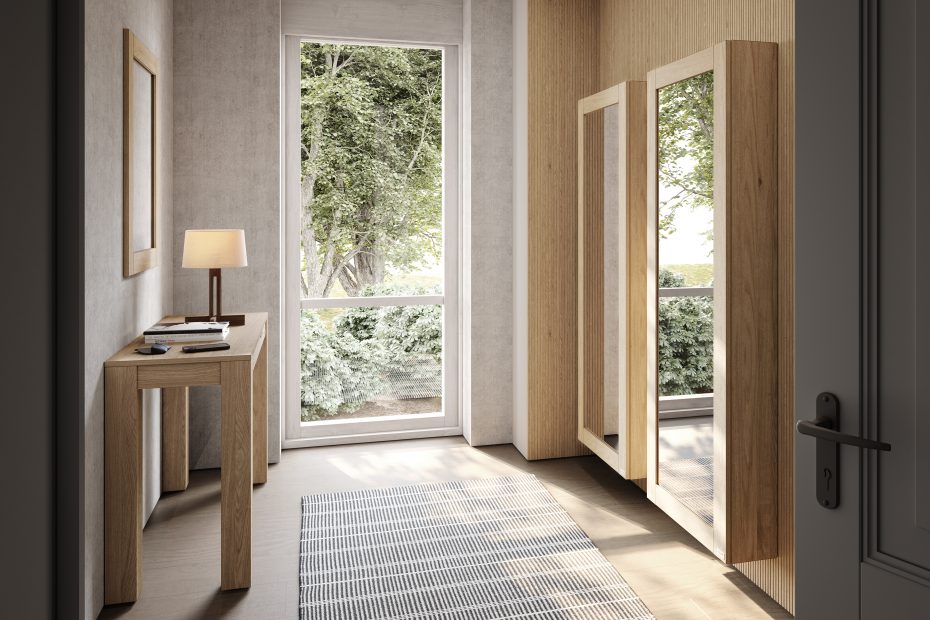
The shoe cabinet is an incredibly functional piece of furniture which, whether freestanding or fixed to the wall, allows you to save a great deal of space.
In this article, we’ll show you how to fix a shoe cabinet to the wall safely, step by step. Whether it’s a wall-mounted shoe cabinet or a traditional one, we’ll explain how to attach your cabinet securely and finally have the perfect place for all your shoes.
How to Attach a Shoe Cabinet to the Wall: Before Drilling
Before drilling, make sure you have all the necessary information to fix a shoe cabinet to the wall:
- Wall type: check what your wall is made of. Plasterboard, hollow brick, solid/concrete require different plugs to hold the load properly.
- Height: for a wall-mounted shoe cabinet, leave 20–25 cm from the floor, which is usually enough. In any case, also consider the cabinet’s height and ease of use.
- Load capacity: weight of the furniture + shoes; choose suitable fixings.
- Safety: use a cable detector; never drill near sockets or wiring!
Essential tools: drill (no hammer function on plasterboard), suitable drill bits, correct plugs/screws, spirit level, tape measure, pencil, vacuum cleaner.
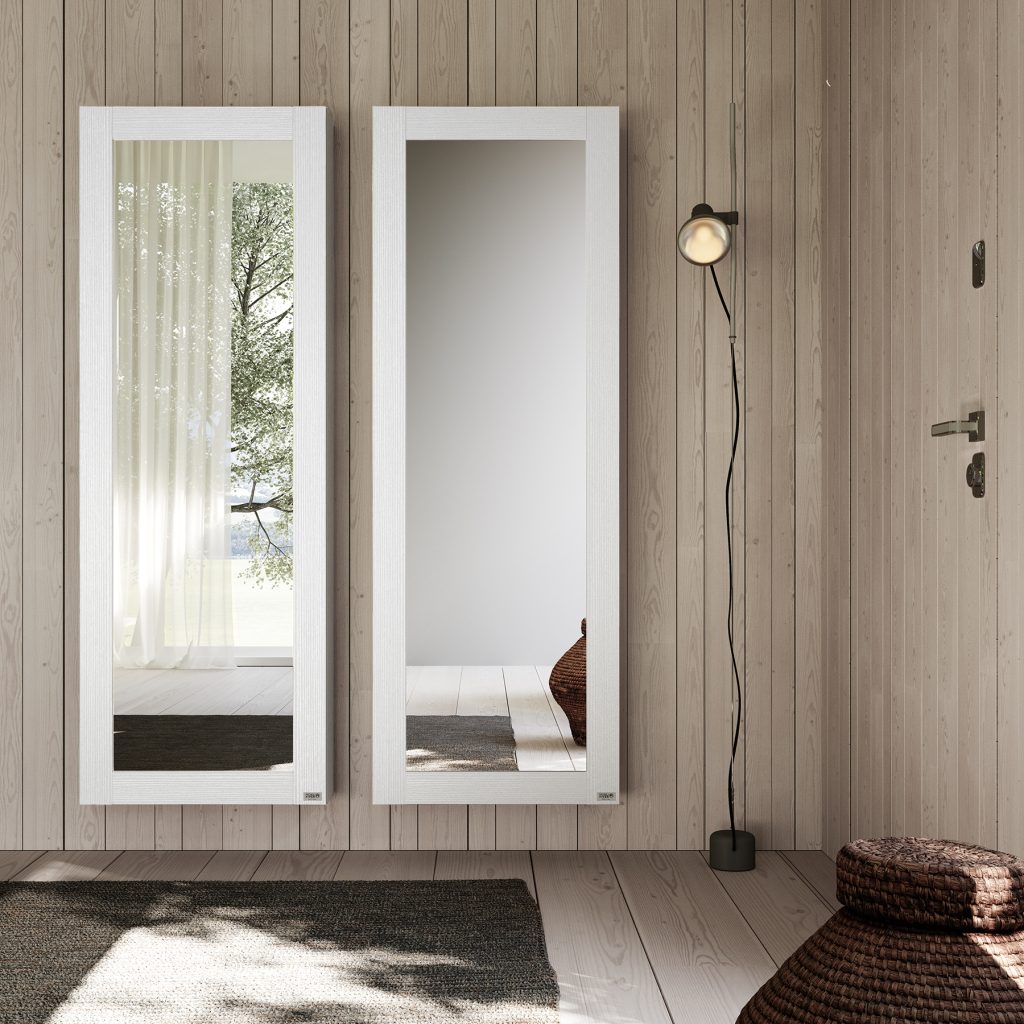
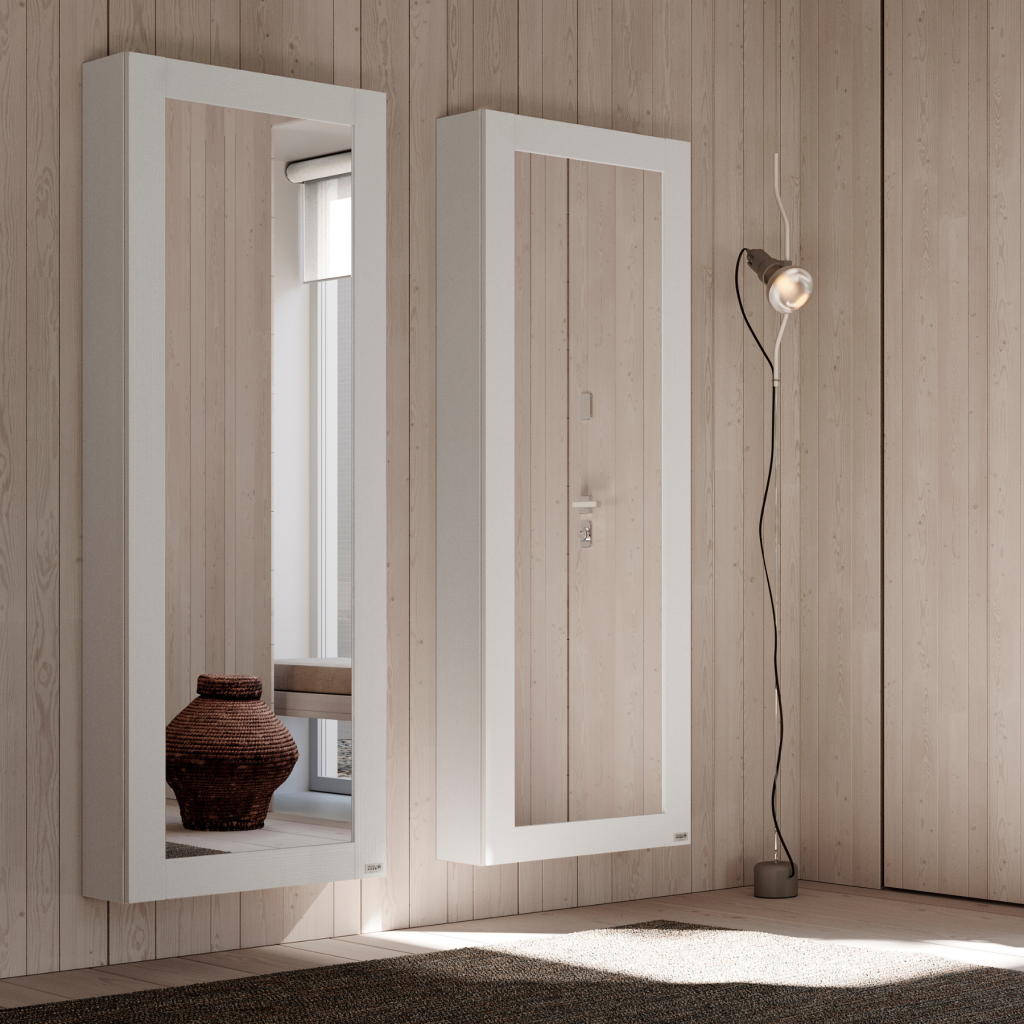
How to Fix a Shoe Cabinet to the Wall Step by Step
Now let’s see step by step how to fix a shoe cabinet to the wall in practice.
Set the Height
Determine the height of the shoe cabinet by measuring from the floor: usually the bottom edge at 20–25 cm works well because it makes cleaning easier and gives a sense of lightness in narrow hallways. Take skirting boards and passages into account, ensure comfortable door opening (especially if it’s a mirrored shoe cabinet) and consider ergonomics. If you use a robot vacuum cleaner, leave enough clearance.
Mark the Fixing Points
Use the manufacturer’s template or measure the brackets’ spacing; mark the holes with a pencil or masking tape and always check with a level (classic or laser). On plasterboard walls, if possible, locate the studs to increase stability. Before drilling, use a cable detector to avoid electrical wiring/pipes.
Mount the Brackets
Position the fixing brackets and screw with the correct screws (length/diameter suitable for the plug). Use washers if indicated, tighten without stripping and recheck the level horizontally and vertically.
Hang the Shoe Cabinet
Attach the cabinet to the brackets (often with hook fittings) and use any adjusters to align doors and sides: adjust tilt, depth and parallelism with the floor.
Load Test
Carry out a progressive load test: place a few pairs of shoes, check for any movement/creaking, then gradually increase up to the expected load capacity (cabinet weight + shoes). If you notice flexing or micro-movements, tighten the screws, change the plug or add an extra fixing point.
Where to Put the Shoe Cabinet
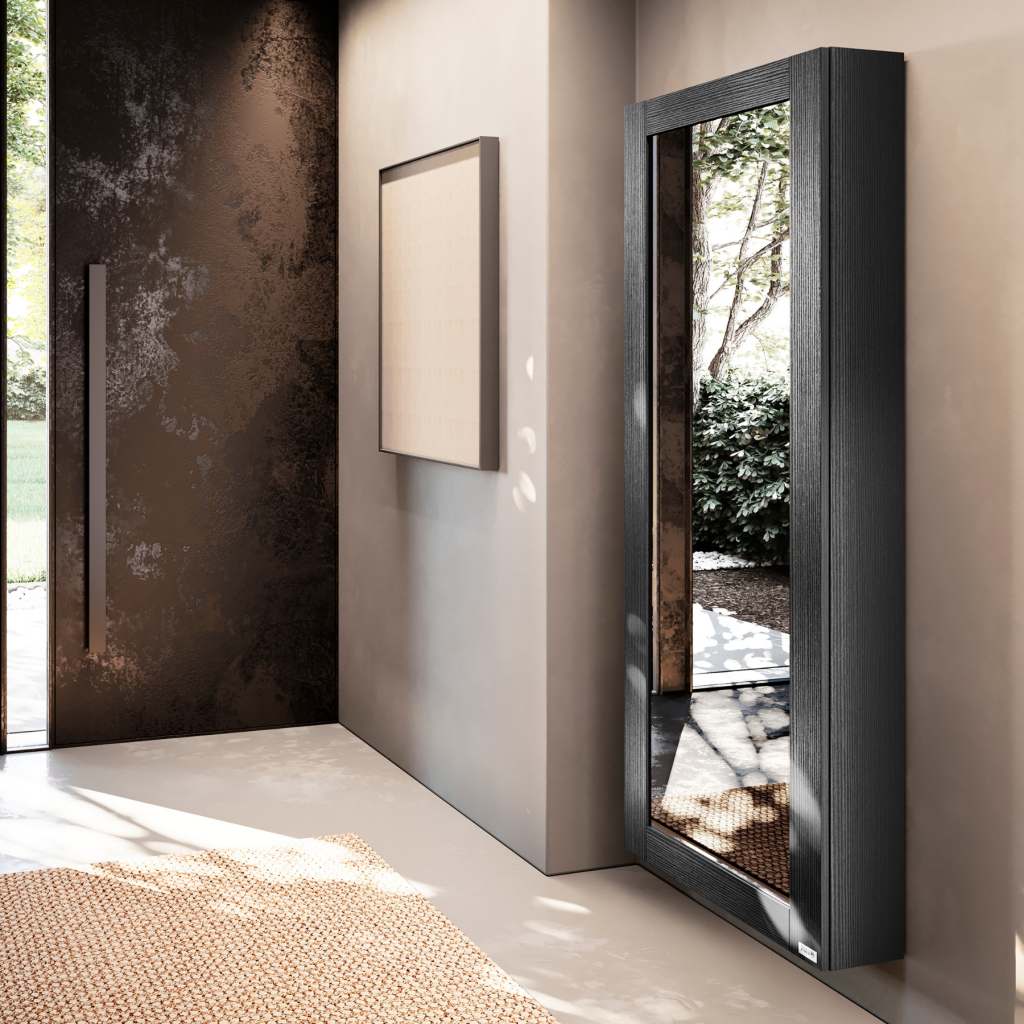
In the hallway, place the shoe cabinet near the door but out of the way: a space-saving shoe cabinet with reduced depth avoids obstructions and keeps everything tidy.
In a narrow corridor, choose a wall-mounted shoe cabinet: it frees up floor space and lightens the overall look.
In the bedroom or walk-in wardrobe, align it with the wardrobe and use alcoves or niches for a clean, “tailor-made” effect.
In a small home, think vertically: choose taller models with a slim depth and wall mounting; this way the room “breathes”, cleaning becomes easier, and the shoe cabinet integrates seamlessly without taking up valuable space, whether in a corridor or hallway.
If you’re looking for more inspiration, read our articles on how to furnish an entryway or how to furnish a corridor.
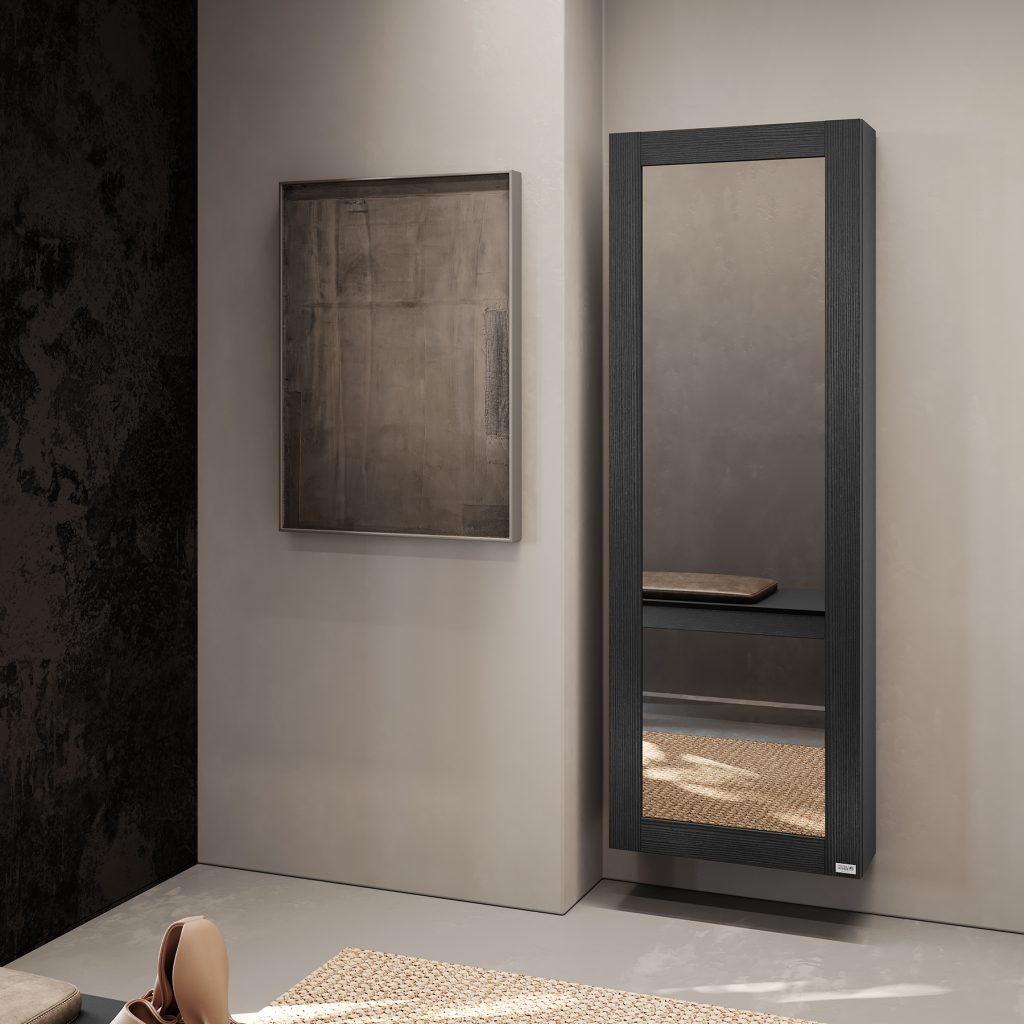
How to Store Boots and Shoes in the Shoe Cabinet
If the shoe cabinet doesn’t have adjustable shelves, organise the space using accessories and smart arrangements.
Boots are best kept upright: use boot shapers, boot inserts or simple cardboard rolls to support the shaft and allow ventilation.
If the internal height is limited, place them diagonally or position them next to the widest section of the compartment.
For low shoes such as sneakers and loafers, vertical dividers help create order, and they also work well for pumps and sandals.
For heels, alternate the toe–heel arrangement to gain a few extra centimetres and prevent uppers from clashing.
Before storing, brush off mud and dust and let the shoes dry properly: moisture is the main cause of odours in a shoe cabinet.
Organise by season or frequency of use: keep everyday shoes at hand level, and occasional ones higher up or further back. For delicate materials such as suede or patent leather shoes, it’s best to use dust bags.
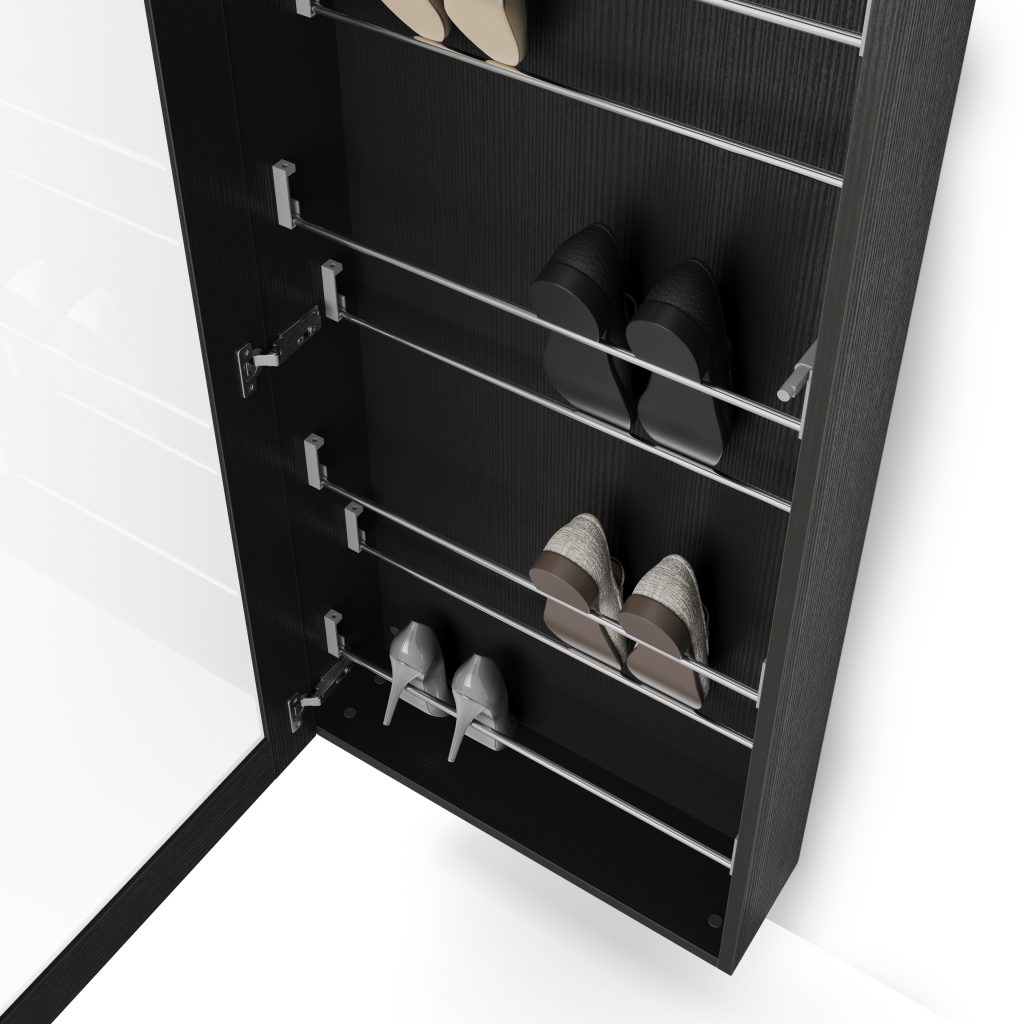
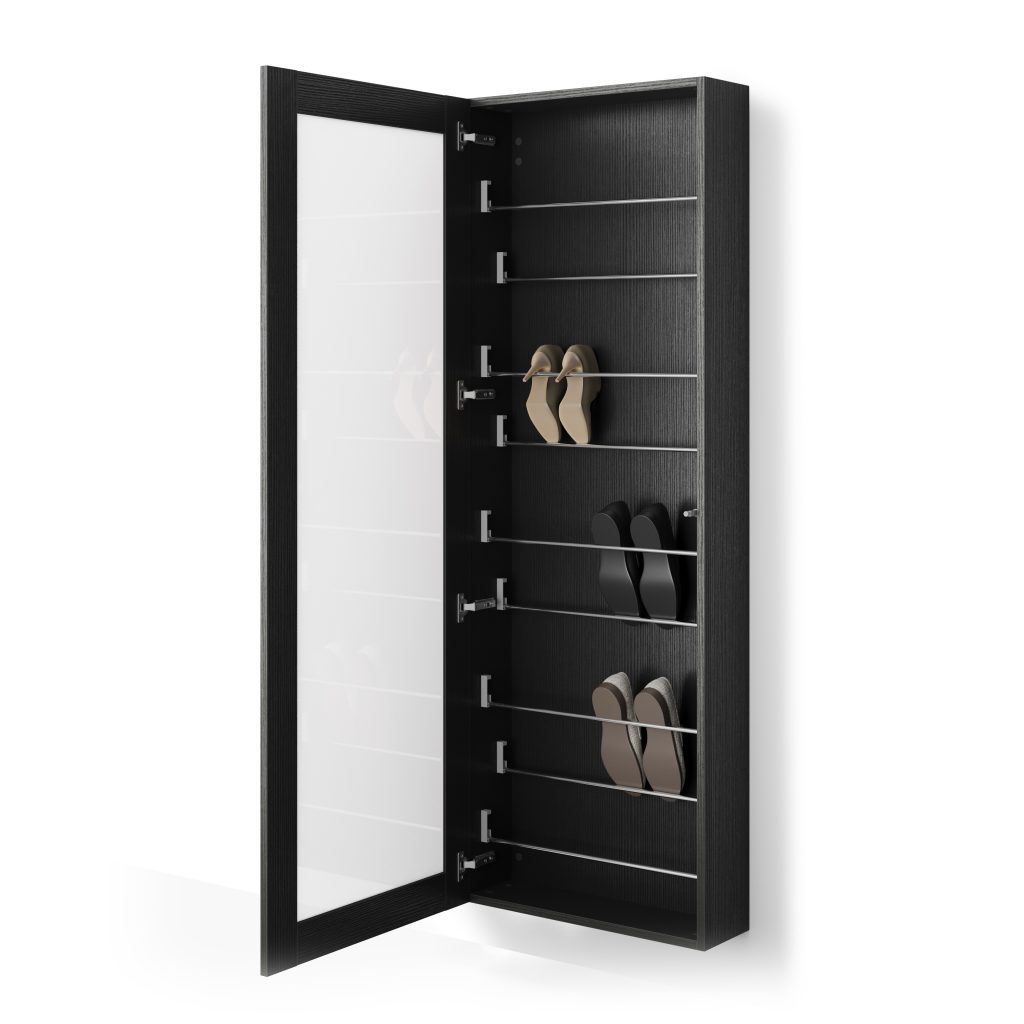
How to Keep the Shoe Cabinet Fresh
The best way to keep your shoe cabinet smelling fresh is to start with regular cleaning: remove dust periodically and wipe with a damp cloth and mild detergent, allowing it to dry well before putting the shoes back.
You can then add small tricks that make a real difference:
- Natural deodorisers: cotton bags with baking soda, coffee beans or activated charcoal absorb moisture and neutralise odours.
- DIY fresheners: dried lavender, dried citrus peels or drops of essential oil on a cotton ball release a fresh, natural scent.
- Shoe treatment: insert deodorant insoles or use sanitising sprays directly in the most “demanding” shoes.
- Ventilation: leave the door slightly open from time to time so air can circulate and avoid stagnation.
With a simple routine, the shoe cabinet will always stay clean and fresh, without unpleasant surprises when you open the door.
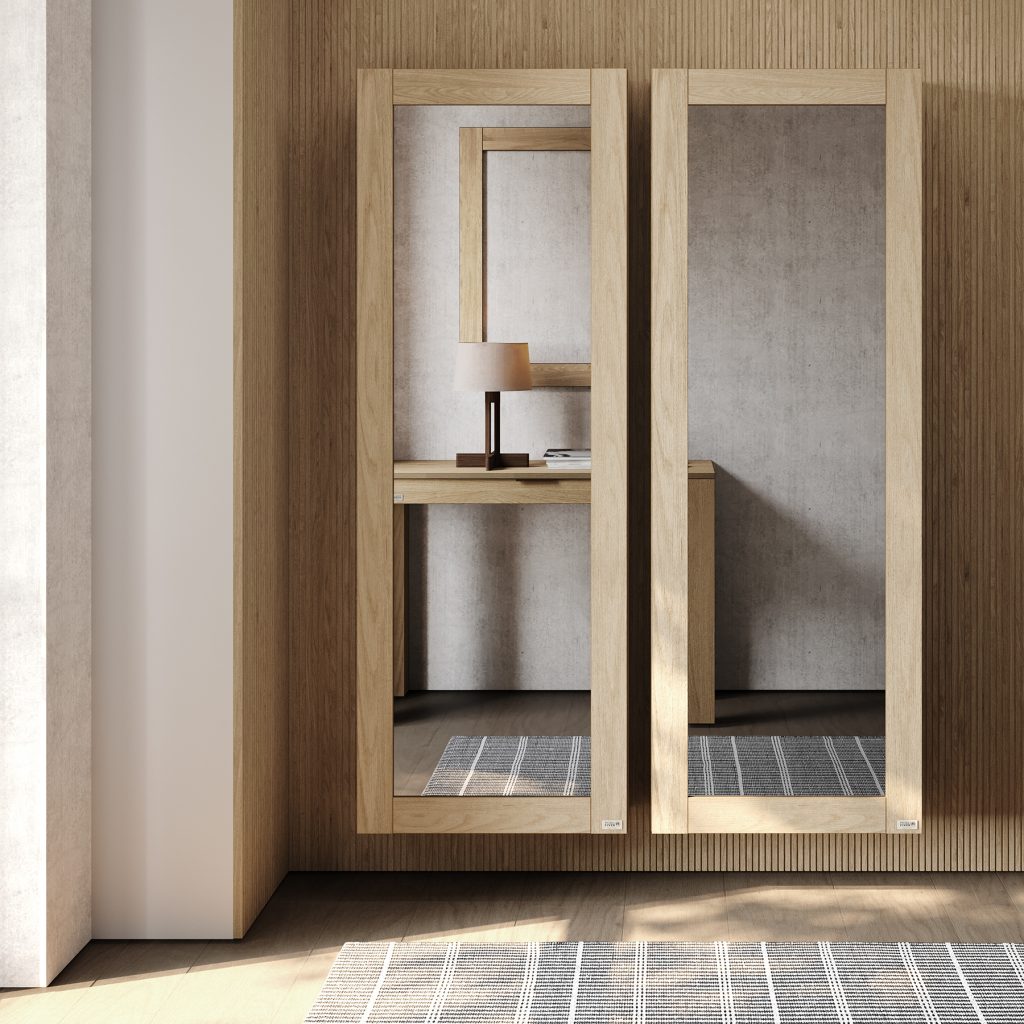
Wall-Mounted or Freestanding Shoe Cabinet?
- Wall-mounted: ideal for small spaces, easy to clean underneath, visually lighter.
- Freestanding: suitable for those with many pairs of shoes and who need greater storage capacity.
The choice depends on your space and needs. For narrow entryways and corridors, the slim wall-mounted shoe cabinet remains the best solution.


