


When I was in high school, I had this strange habit: I loved keeping bus tickets stamped with the dates of days when something fun had happened. I kept them in a drawer.
Years after graduation, they were still in that drawer, but I could no longer associate those dates with any memories: they no longer made sense to me. So, I threw them away.
This is decluttering: letting go of objects that have become superfluous, taking up physical or mental space, and making room for something new. My high school self would have been devastated, but I promise you, I didn’t feel any pain. In fact, science agrees: getting rid of things makes us feel good.
Does that seem contradictory? Maybe, but let’s explore together what decluttering means, how to do it, and why it makes us feel so… good.
What is Decluttering: Meaning and Origins
The Meaning of Decluttering
Decluttering is the process of getting rid of unnecessary items that surround us. It’s a method to create space, order, and, above all, serenity.
It’s not just about cleaning your house; it’s about doing a deep internal cleanse. When we free ourselves from things we don’t need, we subconsciously make room for everything new.
We can say that decluttering is more about psychological well-being, with positive effects on the order of our surroundings. If you clear your wardrobe of clothes you no longer wear, doesn’t that give you more space for a new wardrobe?
The Origins of Decluttering
The term “decluttering” became popular thanks to Marie Kondo and her KonMari method, which teaches us to keep only what “sparks joy”.
But the idea of eliminating the unnecessary to live better is ancient. Philosophers from ancient Greece already preached the benefits of a simple, minimalist lifestyle, like Epicurus. So, Marie didn’t invent anything new; she simply revived the philosophy of less is more.
PLOT TWIST: Marie Kondo is great, but my guide to keeping your home organized is even better—read it! 😉
How to Start the Decluttering Process
Are we ready to start our journey towards a lighter life? Let’s look step by step at where to begin and how to proceed with decluttering.
Take Inventory:
How many items do you own? How many of them do you actually use? How many clothes do you have in your closet? How many do you really wear? Out of the 200 contacts in your phone, how many did you call last year? 7? This is the moment to be honest with yourself and make a truthful inventory.
Divide and Conquer:
As Julius Caesar said, divide your home into zones and tackle them one at a time. Start with the bedroom and wardrobe, then move on to the kitchen, and so on. This approach helps you avoid feeling overwhelmed and allows you to see tangible progress room by room.
Create Three Piles:
For each area, create three piles: keep, donate/sell, and toss. The rule is simple: if you haven’t used something in the last year, you don’t need it.
Smart Organization:
Once you’ve reduced the number of items, organize what’s left in a functional way. Use containers, labels, and storage systems to help maintain order.
Furniture Solutions for Decluttering
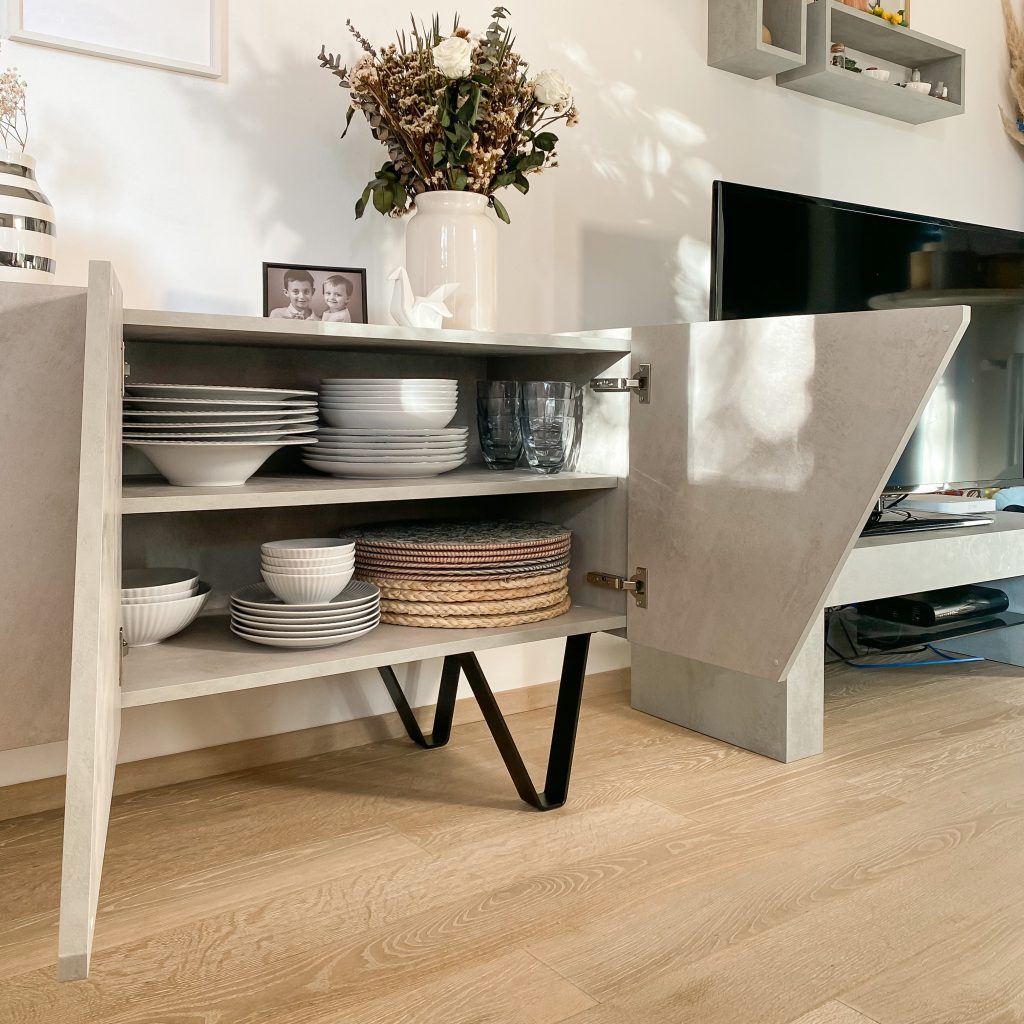
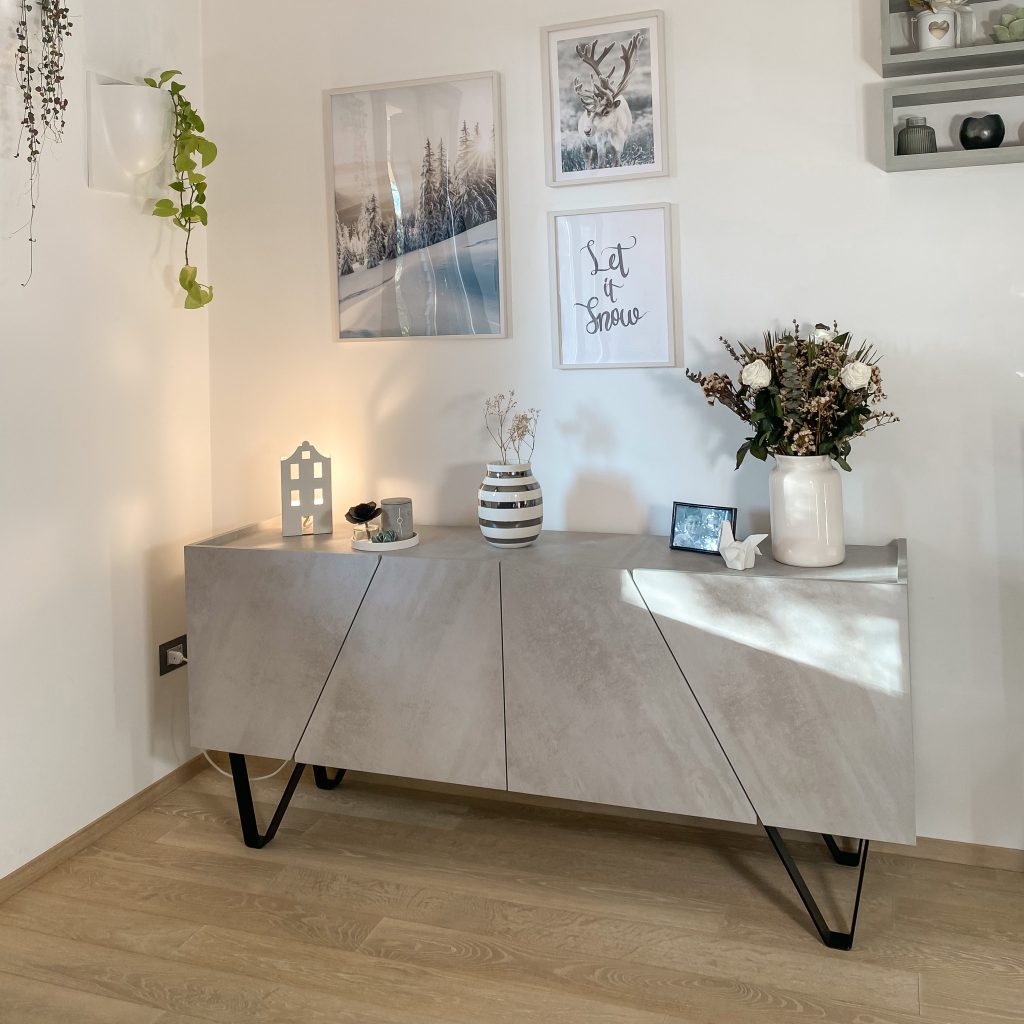
A crucial part of decluttering is having the right tools to organize and store what survives the sorting process. Here are some pieces of furniture that can help you stay organized:
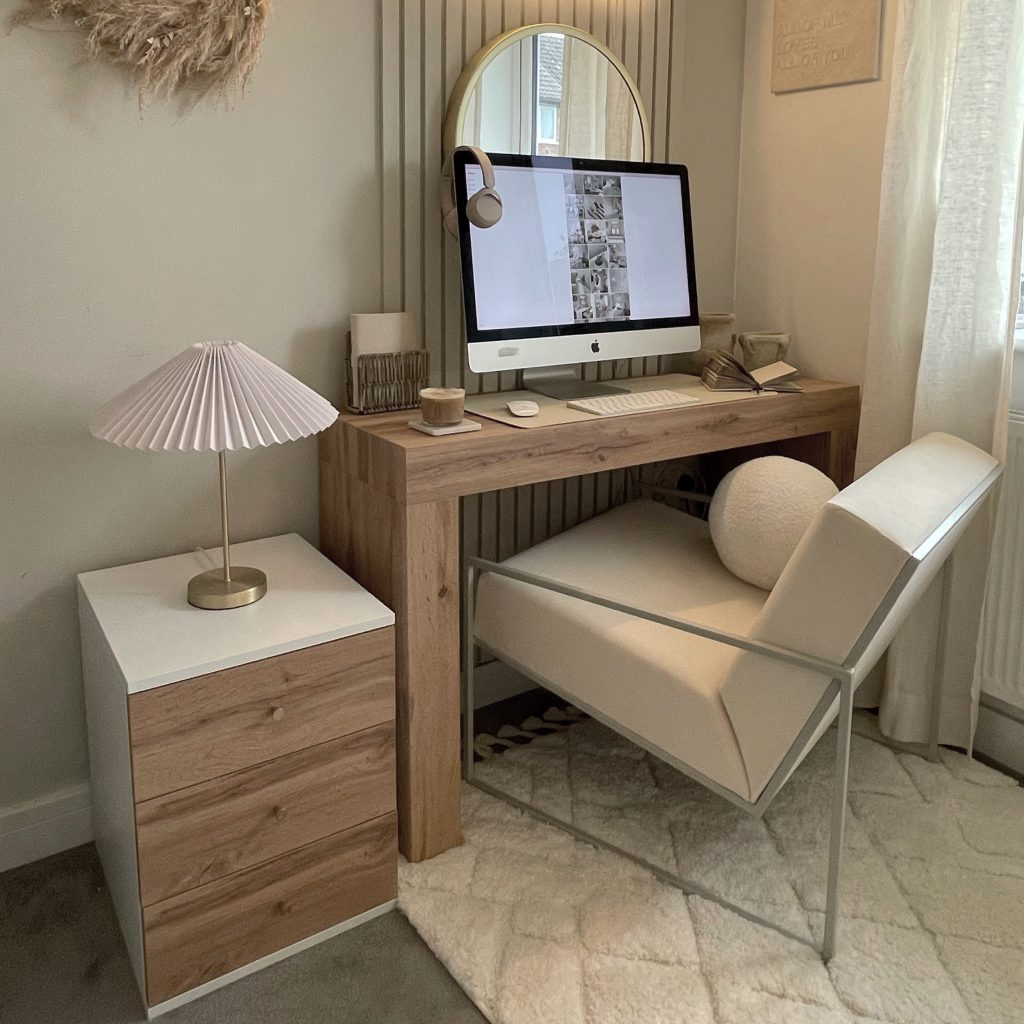
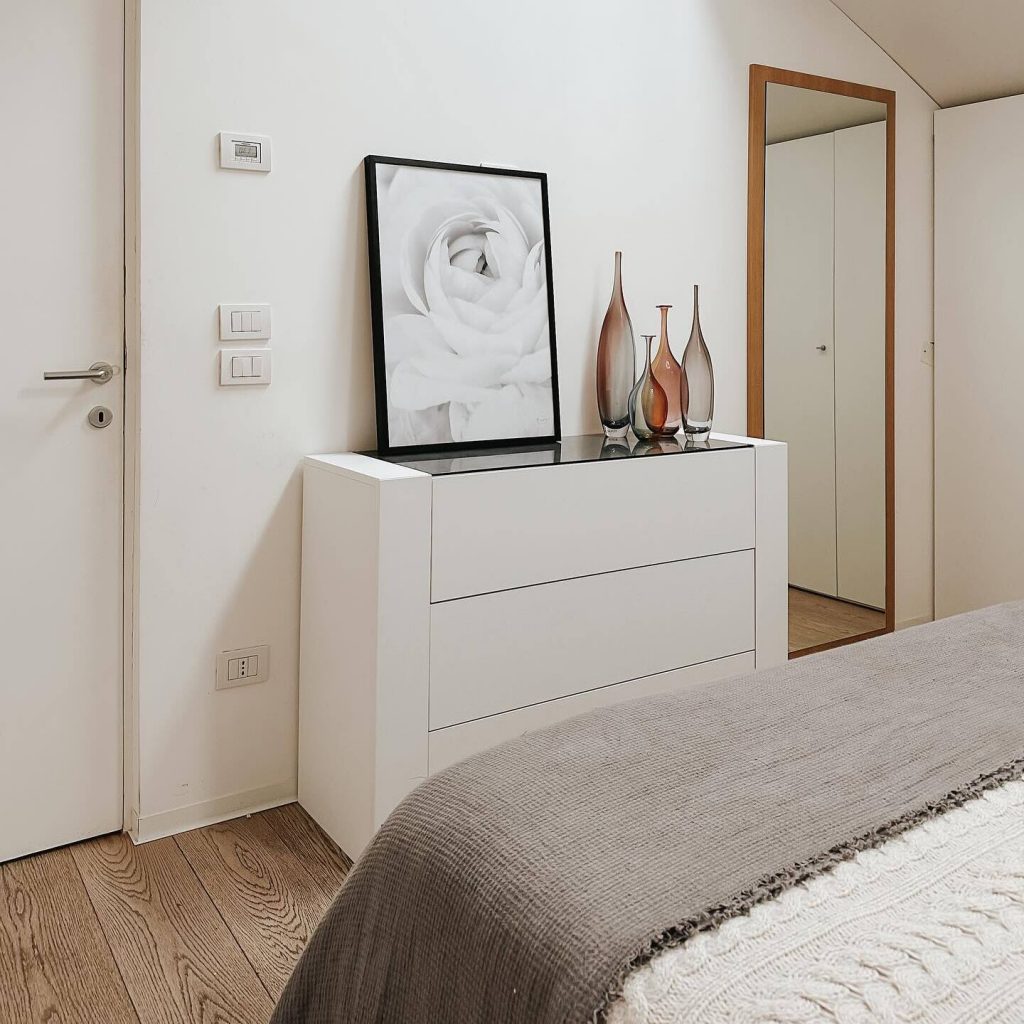
Dressers: Perfect for organizing small items, documents, and accessories. A well-organized dresser can transform a room, making it more functional and tidy. Check out our models!
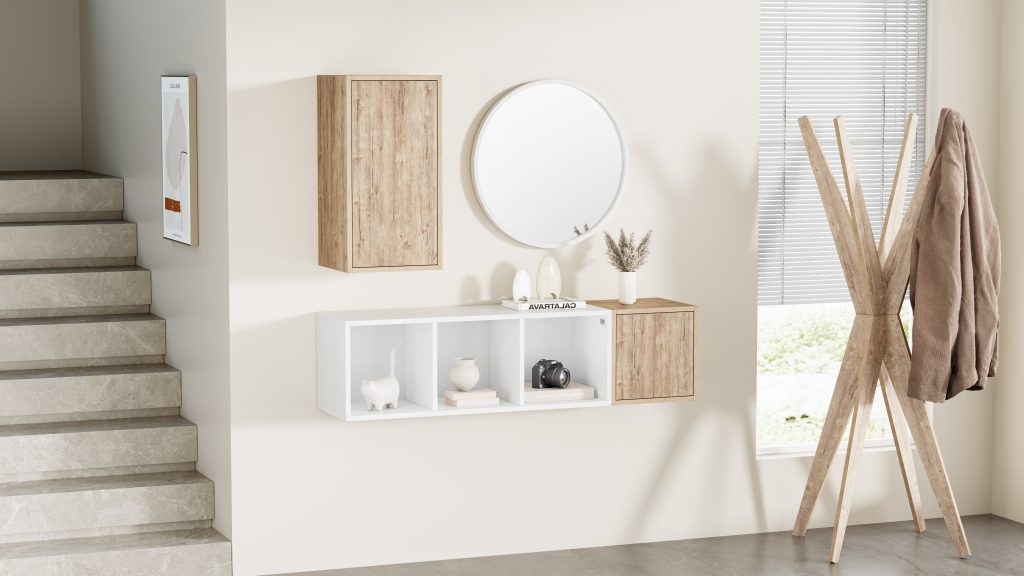
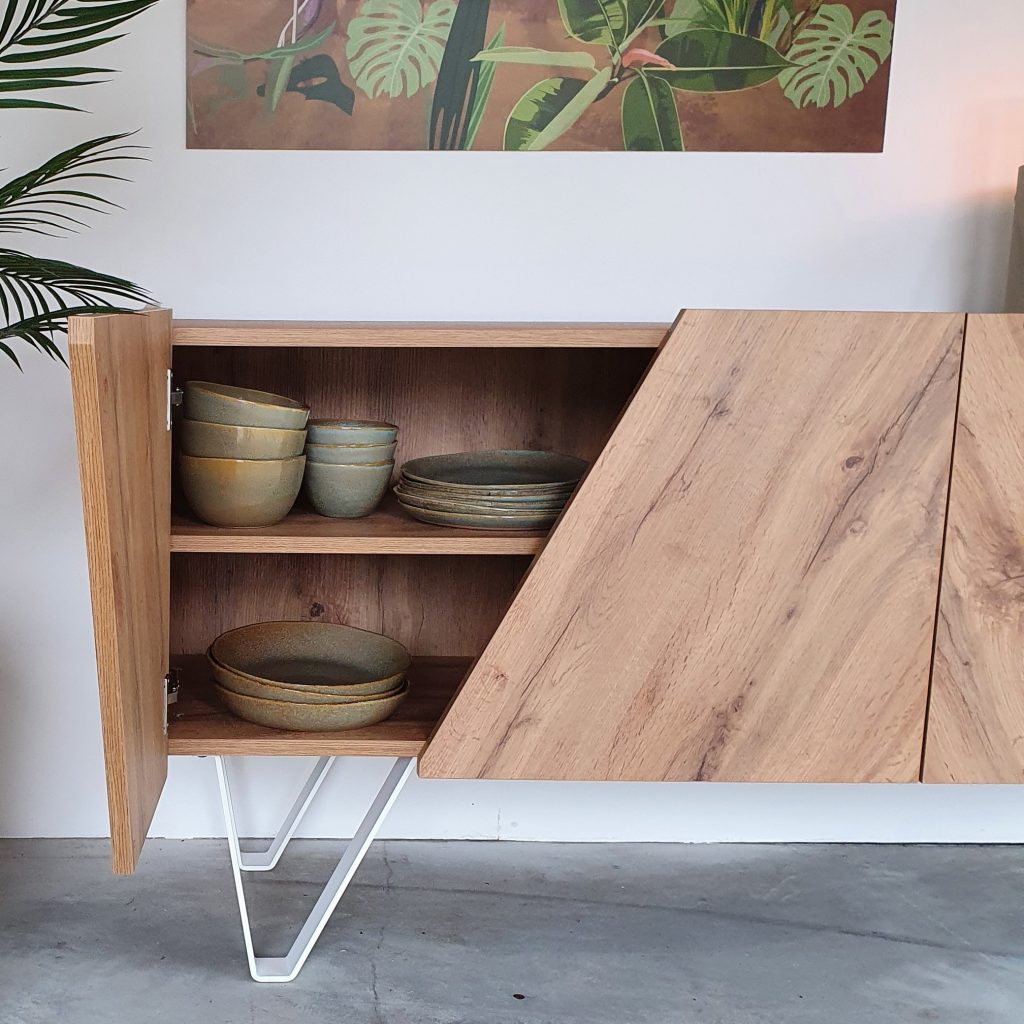
Wall Cabinets: Ideal for utilizing vertical space and giving a sense of lightness to the environment. Perfect for kitchens, bathrooms, and offices.
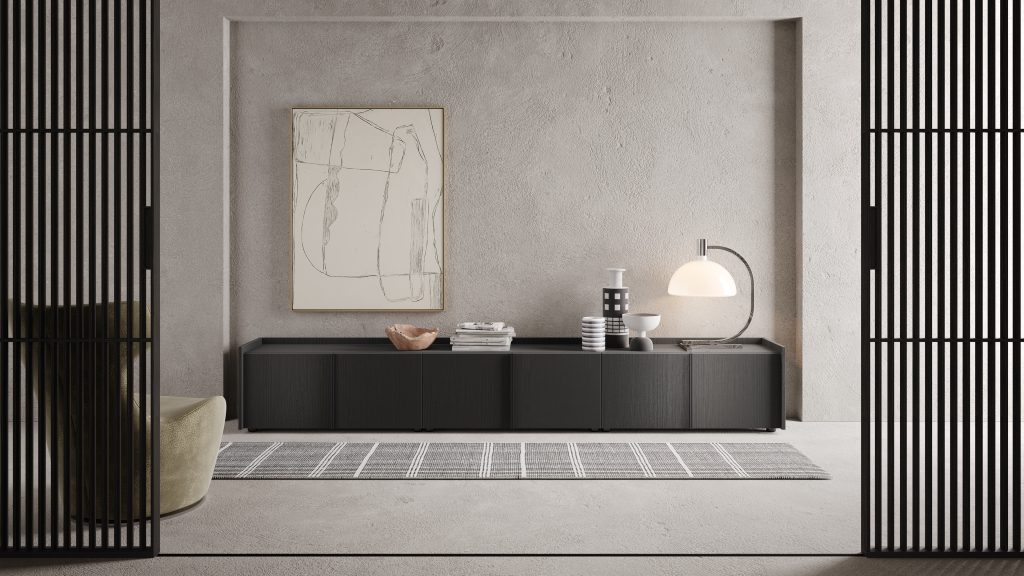
Low Cabinets: Great for living rooms, entryways, and general living spaces. They can serve as TV stands or room dividers in open spaces.
The Psychological Benefits of Decluttering
Getting rid of the unnecessary leads to a more organized environment and makes us feel better. It’s well-known that in a healthy, tidy environment, our minds feel better too. As Julius Caesar used to say, “mens sana in corpore sano.”
Stress Reduction: Clutter can be a significant source of stress. Being surrounded by useless items creates a feeling of oppression and confusion. A tidy environment brings calm and serenity.
Increased Productivity: Fewer distractions mean greater focus. A clean, organized workspace helps you concentrate on your tasks, boosting productivity and creativity.
Greater Awareness: Decluttering forces you to make choices and ask yourself what’s truly important. This process increases your awareness and helps you live more intentionally.
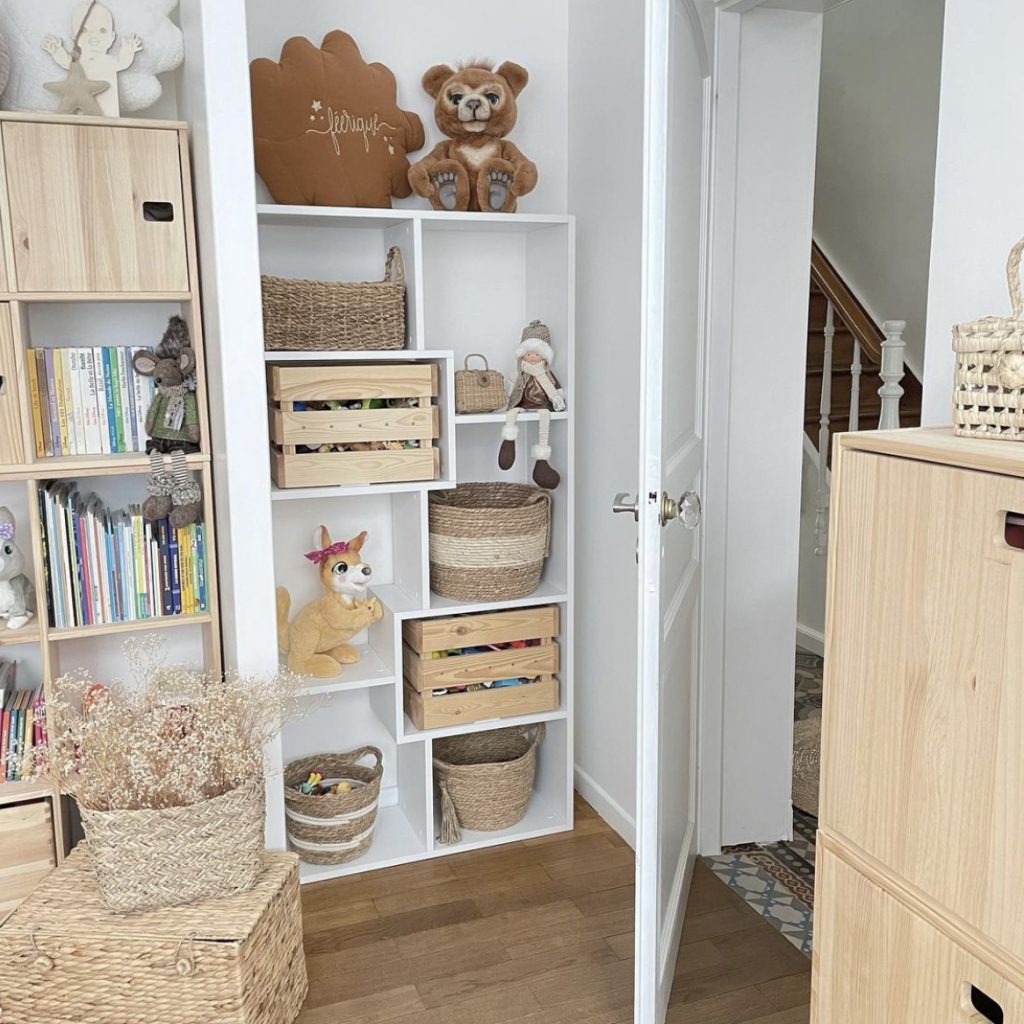
Emotional Decluttering: Why Letting Go Feels Good
Decluttering doesn’t just apply to material objects. Our minds can also become cluttered with unnecessary thoughts and worries. Here are some tips for mental decluttering.
Meditation and Mindfulness: Practice meditation and mindfulness to free your mind from daily chaos. There’s nothing better than living in the present, and these practices help reduce mental noise.
Set Priorities: Learn to set priorities and say no to things that don’t matter. This will help you focus on what truly matters to you.
Keep a Journal: Write in a journal to vent your thoughts and worries. Journaling is a powerful mental decluttering tool that helps you release negative thoughts and gain clarity.
Decluttering is more than just a trend started by Marie Kondo: it’s a path to a more serene and mindful life. Freeing yourself from the unnecessary, both material and mental, allows you to focus more and understand what truly matters. So, what are you waiting for? Start your journey towards lightness with decluttering today!